















15 Oct 26
Van Lining Explained: Wall, Door and Ceiling Liners for UK Fleets
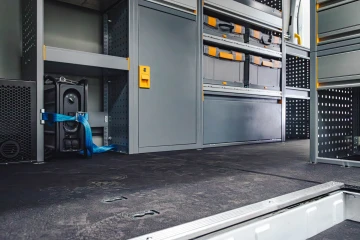
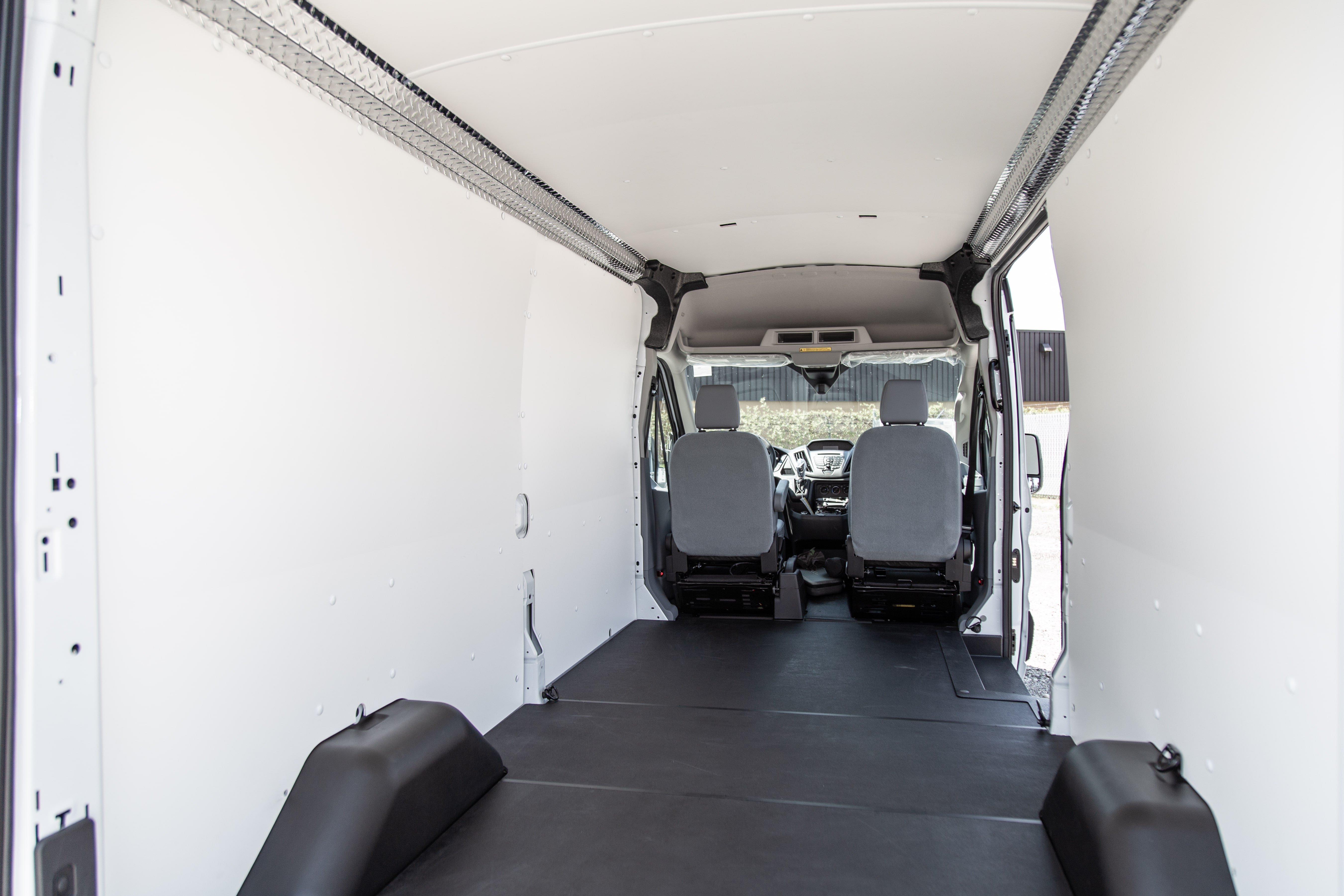
Van lining covers the bare metal inside the cargo area: the walls, the back of the doors and the ceiling. It protects the panels from dents, protects tools and cargo, and makes the van a better place to work.
For a fleet, it also protects what the van is worth when it’s sold or handed back at the end of a lease.
Why line a van at all?
DENTS AND RESALE
Naked metal walls are easy to dent. Dents mean lost resale value, a scruffy brand image and potentially rust on the outside of the van.
TEMPERATURE AND CONDENSATION
Unlined vans swing between hot and cold, which can cause moisture build-up, overheating and unsafe working conditions.
SOMEWHERE TO FIX SHELVING
LEGEND liners can be drilled through to secure shelving. It’s recommended, because it stops tools falling into the metal cavities behind.
Factory liners vs LEGEND linings
Many vans arrive with thin factory liners, often made from coroplast, a thin corrugated plastic. It’s brittle and can crack in extreme temperatures, and sliding tools and equipment can puncture it.
Once a factory liner is damaged, someone has to rip it out and the van goes back to an upfitter. See our Transit factory liner face-off.
“Most factory liners are produced out of necessity and not built for use. They are thin as cardboard, fragile, and offer little to no insulating benefits.”
Van wall lining
The walls take the most knocks, from tools sliding off shelves to equipment being loaded in and out. LEGEND wall liners are cut to fit each van model, so the panels are covered properly rather than patched with offcuts. Want proof they can take it? Watch DuraTherm take on an axe.
Van door lining
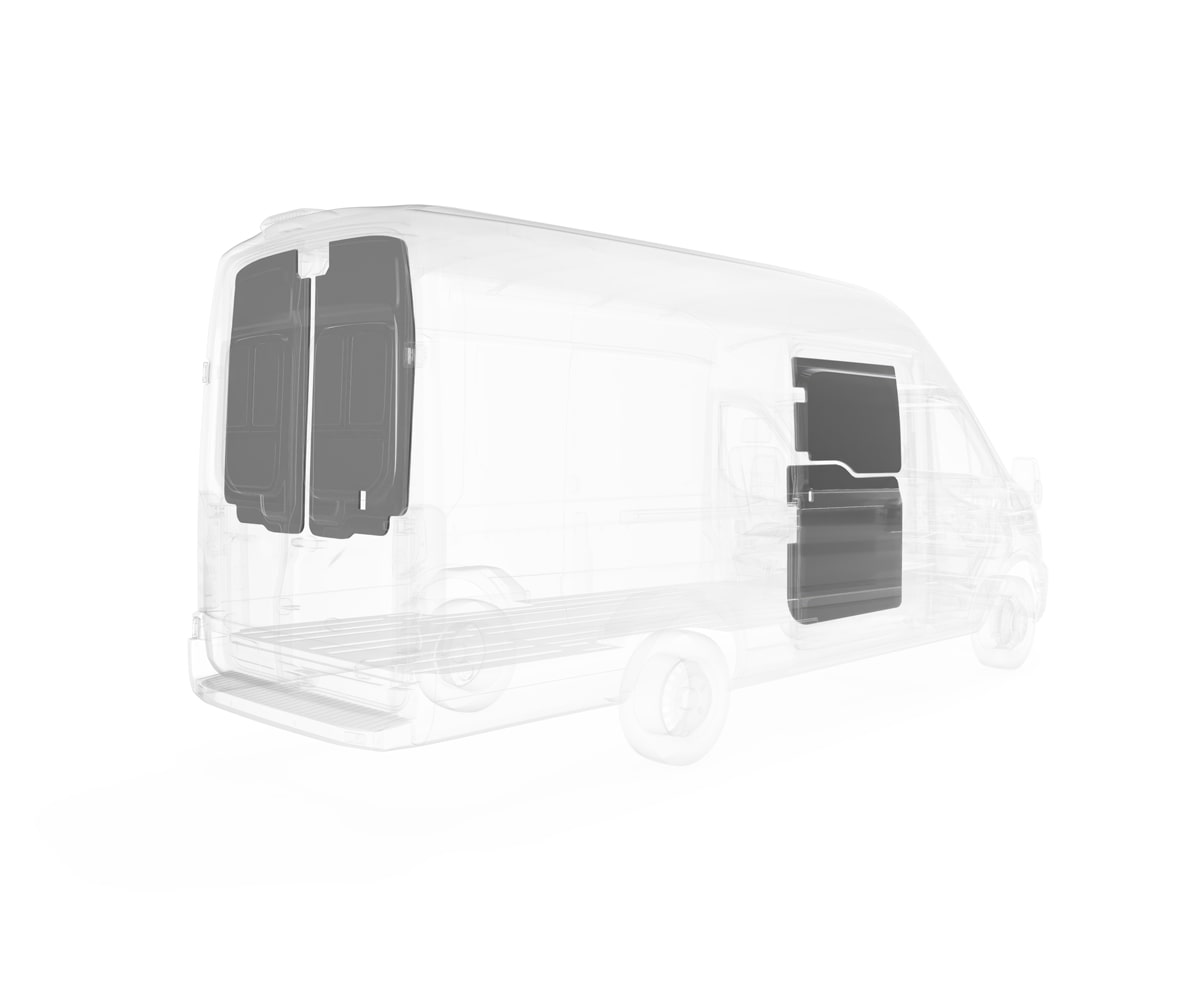
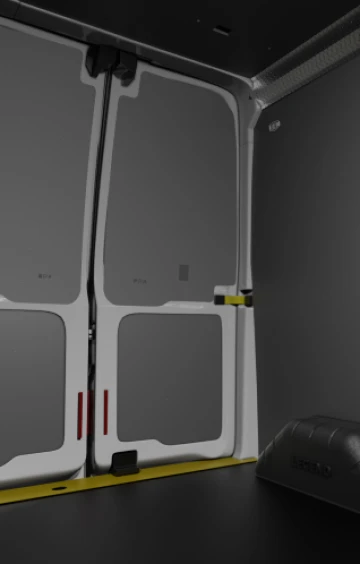
The rear and side doors are opened and closed all day, and they’re usually the first place a trolley or ladder catches. Door liners finish the job, so the back of the doors gets the same protection as the walls.
Both DuraTherm and EconoLite come as door liner kits as well as wall kits.
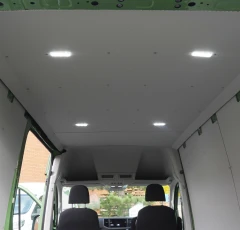
Ceiling liners and condensation
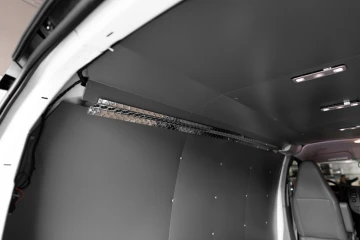
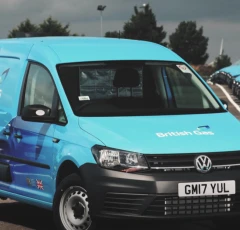
Condensation can be a serious problem in a cargo area. It causes rust, damages equipment and makes the van unpleasant to work in. British Gas fleet manager Matt Harris saw it first hand:
“We’ve had some vans, where they look like they’ve been sprayed with a hosepipe inside… that’s how much condensation was running off the roof.” Matt Harris, British Gas
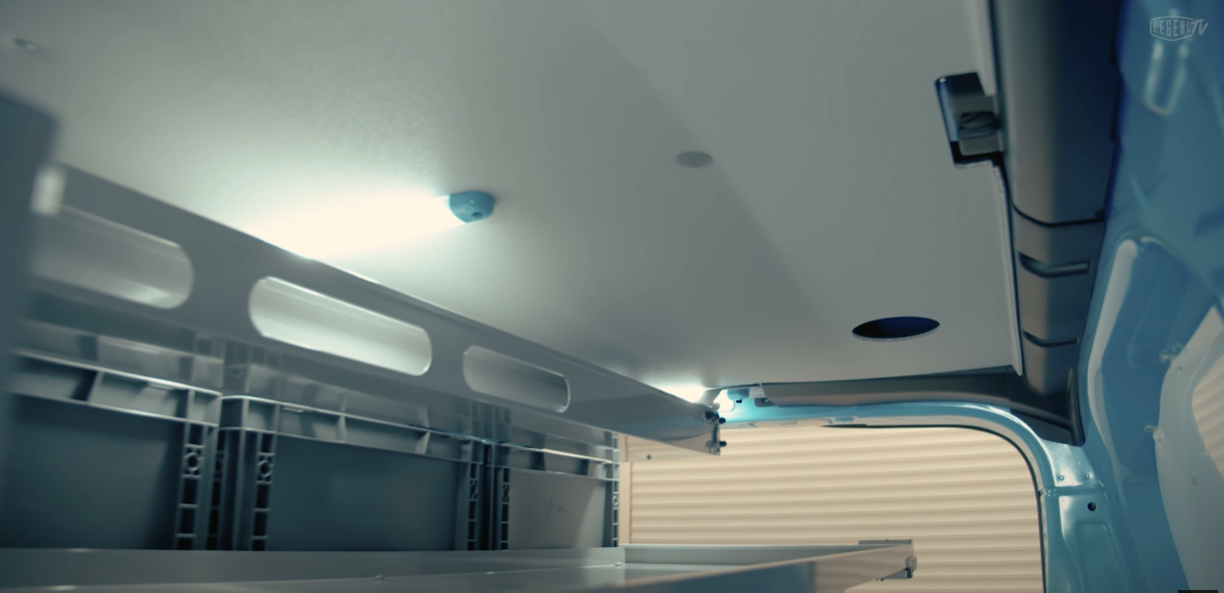
After a trial in a few vans, British Gas fitted DuraTherm across the fleet. The interiors stayed dry, however cold or damp the weather. Read the British Gas story.
DuraTherm or EconoLite?
DuraTherm
6mm insulated liner
Walls, doors and ceilings
Helps protect the cargo area from extreme temperature changes
Recommended for construction, trades and services, telecom and utilities
EconoLite
A simple upgrade from factory liners
Built to protect the metal walls
Wall and door kits
Used with Eclipse floors by Car & Commercial to cut almost 180kg per van
Why Riverford chose LEGEND linings
For Riverford Organic Farmers, quality wall and door linings protect valuable cargo, add to each van’s end-of-lease resale value and help the vehicle last longer. Read the Riverford Transit Custom story.
Find products for your vehicle or find a LEGEND upfitter to fit them.
Share Article