



















10 Feb 26
New Era of Van Linings? LEGEND’s Infamous WhyNoPly Campaign Tells us - Yes.
For decades, plywood has been the unquestioned standard for lining commercial vans across the UK and Europe. Builders, couriers, fleet operators — if you needed protection inside your vehicle, ply was simply “what you used.”
Heavy. Slippery. Rotting. Splinter-prone. But standard.
We couldn’t really blame the fleets and upfitters making the choice though; it’s a kind of tradition right? Plywood was the default — not necessarily because it was best, but because it was familiar.
That is, until LEGEND asked a very simple question:
WHYNOPLY?
So we went looking. Not in theory. Not in brochures.
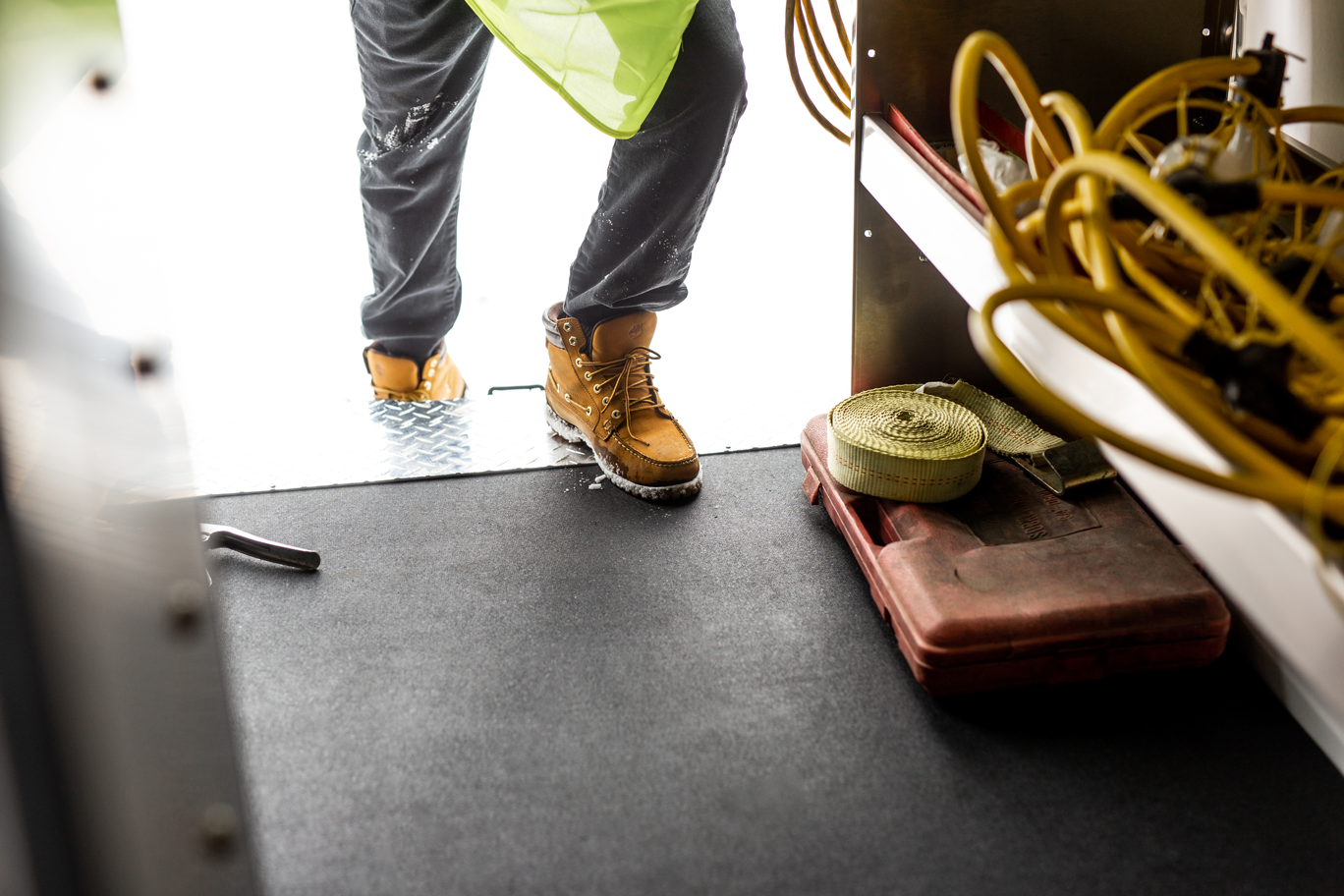
But inside real, working vans.
And what we found tells its own story.
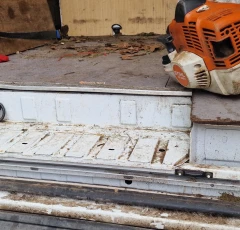
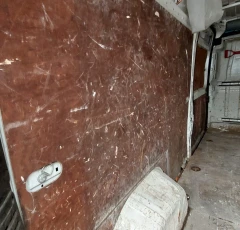
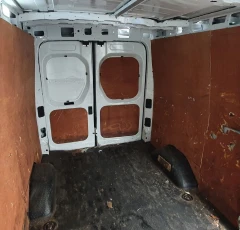
What followed wasn’t just a marketing campaign — it was a public challenge to an entire industry norm.
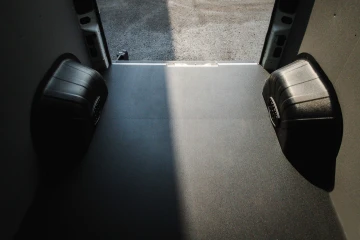
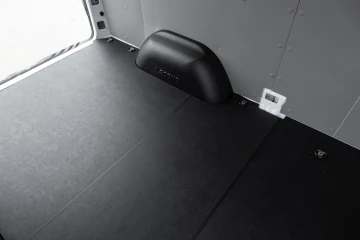
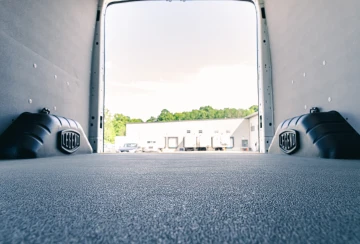
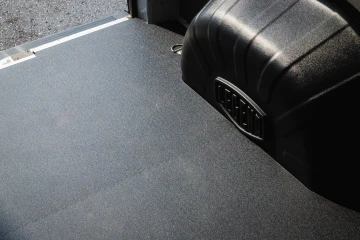
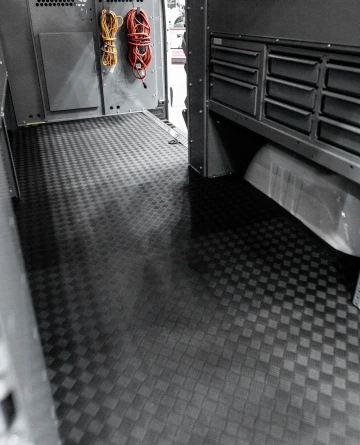
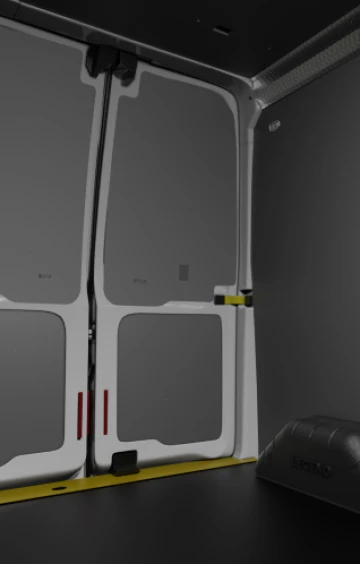
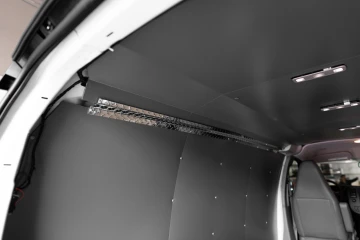
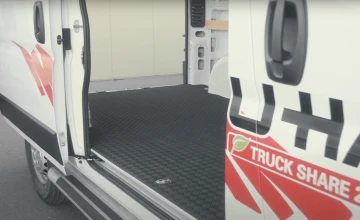
LEGEND provided a solution that could take even the most sentimental upfitters away from chopping down trees to stick in their van. The products are a no brainer. Durable, sustainable, lightweight. Comfort for your driver, the Legend of the Road, and peace of mind for the fleet knowing they’re protecting their investment. Built for a life on the road, it’s not going to crack under the pressure of your fleets needs. It’s axe proof, chemical resistant, rot proof, you name it, it can stand up to pretty much anything.
Hear the ‘why’ from a couple of our LEGENDs.
The campaign was based on sharing the weaknesses of ply as a van liner to fleets and upfitters, and giving them an alternative in the form of lightweight, sustainable, durable LEGEND products. The main weaknesses outlined were:
Supply & cost instability – Coated birch plywood is becoming harder to source, lead times are increasing, and prices are rising due to global volatility and supply issues.
Poor durability – Plywood breaks down over time from moisture, chemicals, and wear. Coatings chip easily and damage can appear within months, leading to frequent and costly replacement.
Too heavy – Plywood adds significant weight, reducing payload and increasing fuel use (or reducing EV range). Lightweight composites help fleets operate more efficiently.
Less sustainable – Plywood relies on tree harvesting and chemical bonding, while Legend’s composite floors use recycled material and minimize waste.
Not truly anti-slip – Phenolic-coated plywood can become slippery, especially when wet, creating a safety risk. Composite floors offer better grip and driver safety.
Some facts and figures…


 The maths: each plywood floor uses approximately one-third of a tree. By switching materials across our installations, this equates to around 5,000 trees saved.
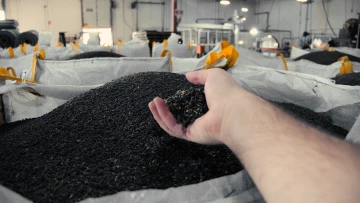
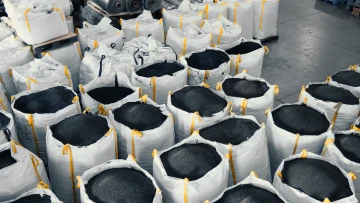
Last year alone, we recycled 560,000kg of plastic into our products. Based on an average carrier bag weight of 5 grams, this is equivalent to reusing the plastic from approximately 112 million plastic bags.
Our alternative floor system is also 15kg lighter per van. Over an average vehicle lifetime of 150,000km, this weight reduction cuts fuel consumption enough to save roughly 300kg of CO₂ per van. Across all installations, that totals around 4.3 million kg of CO₂. When combined with the emissions avoided by using recycled plastic instead of virgin material, the total carbon saving reaches approximately 5.3 million kg of CO₂.
These stats show how small changes to the procurement of the products in your vans can make huge impacts over a year in terms of environmental features.
The WhyNoPly campaign wasn’t positioned as a product push. It was framed as a conversation starter — a direct challenge to installers, upfitters and fleet decision-makers to reconsider long-held assumptions.
Join the Legends making the switch away from ply to a sustainable, lightweight and durable solution. Contact us for more information and guidance on the steps to NoPly.
Share Article